OpenMuse
A personal agent you can see, guide, and take over.
- Context
- CopilotKit
- Contribution
- Initial build, agent interactions, demos & launch direction
- Period
- September–October 2026
- Explore
- View on GitHub ↗
A personal agent.
A computer of its own.
 Built with CopilotKit ↗
- authored PRs merged
- 20
- organic X launch impressions
- 1M
- repository forks
- 880
Authored PRs counted October 5, 2026; forks observed November 2, 2026. Launch impressions as of September 24.
The project
I built OpenMuse’s initial release, then developed the interactions that made its work visible across mobile and web. My work connected the product build with reproducible demos and launch presentation, with 20 authored PRs merged by October 5.
The challenge: keep the task in view.
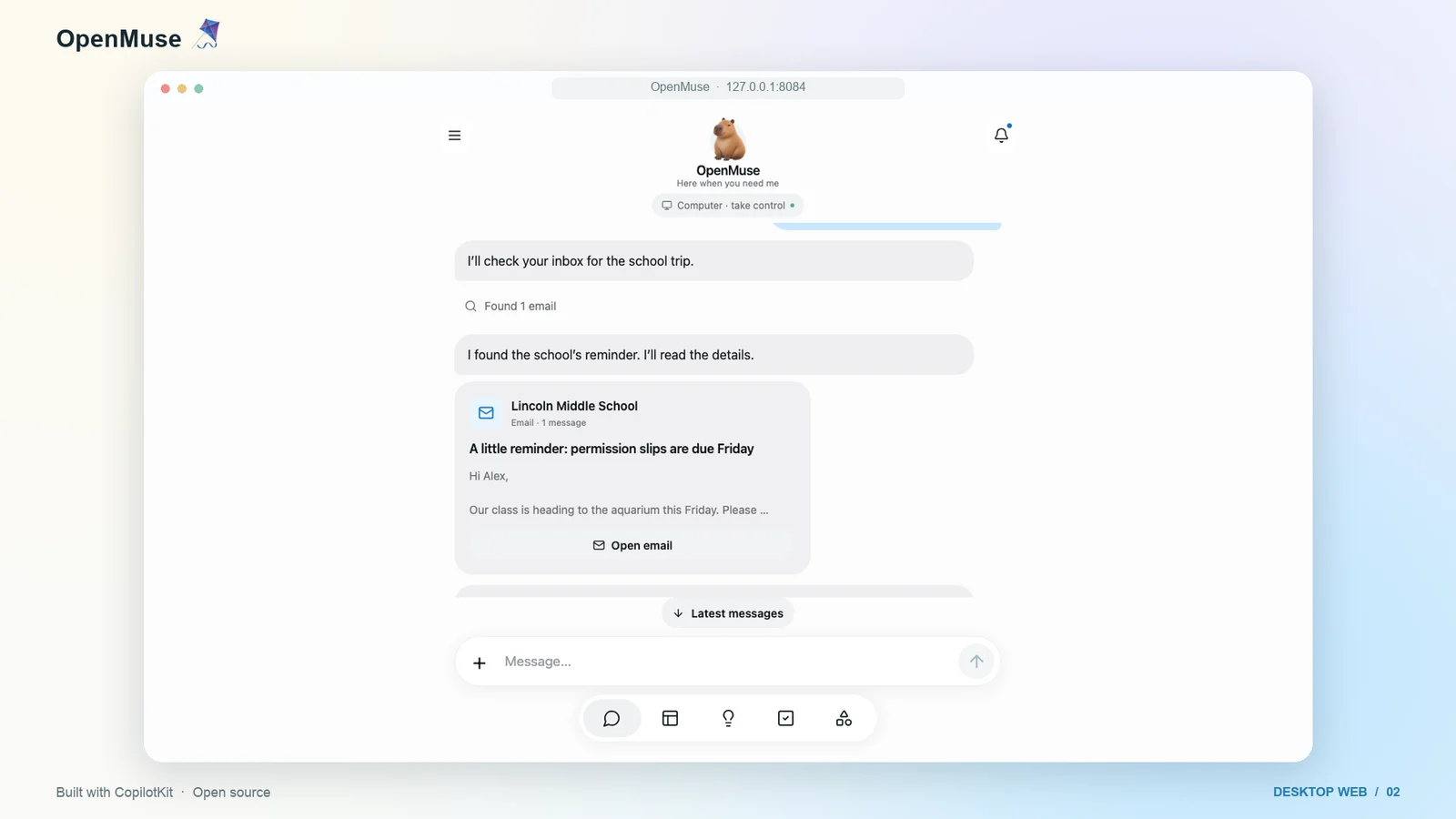
On a phone, switching between a conversation and a browser can break the context of a task. A personal agent needs to show which page it opened, what it produced, and how the person can intervene. I made the browser part of the conversation instead of a separate destination.
A browser card you can trust.
An inline card shows progress, the page preview, and a Take control action. Browser profiles persist across turns and app relaunches. Crucially, an old card cannot quietly show an unrelated page after the browser navigates elsewhere: the screen stays tied to the action it represents.
Choices backed by the research.
I added clarification buttons and comparison cards whose claims are supported by sources read during the same turn. The server versions panels and selections to reject stale or cross-thread clicks. A follow-up preference can re-rank stored candidates without inventing new research.
From working product to understandable demo.
I created native mobile and desktop demonstrations, refined the mascot and product presentation, and clarified configuration for live conversations. The original demo combined scripted model responses with a real Chromium browsing worker, making the application and tool path reproducible.
The result.
The launch reached 1M organic X impressions, 6.3K saves, and 50K LinkedIn impressions by September 24. The project reached 3,986 GitHub stars and 551 forks by October 5 and passed 6,100 stars by November 2. I built the initial release, the interaction design that followed, and the demonstrations that explained the product.
Behind the scenes
Build, launch, and ship.
OpenMuse’s first release was built in about a day on September 15 and launched on the 23rd. These are the working files: the alpha before the capybara, the browser card taking shape, the film’s storyboard and revisions, and the demos that shipped.
The first day, before the capybara.
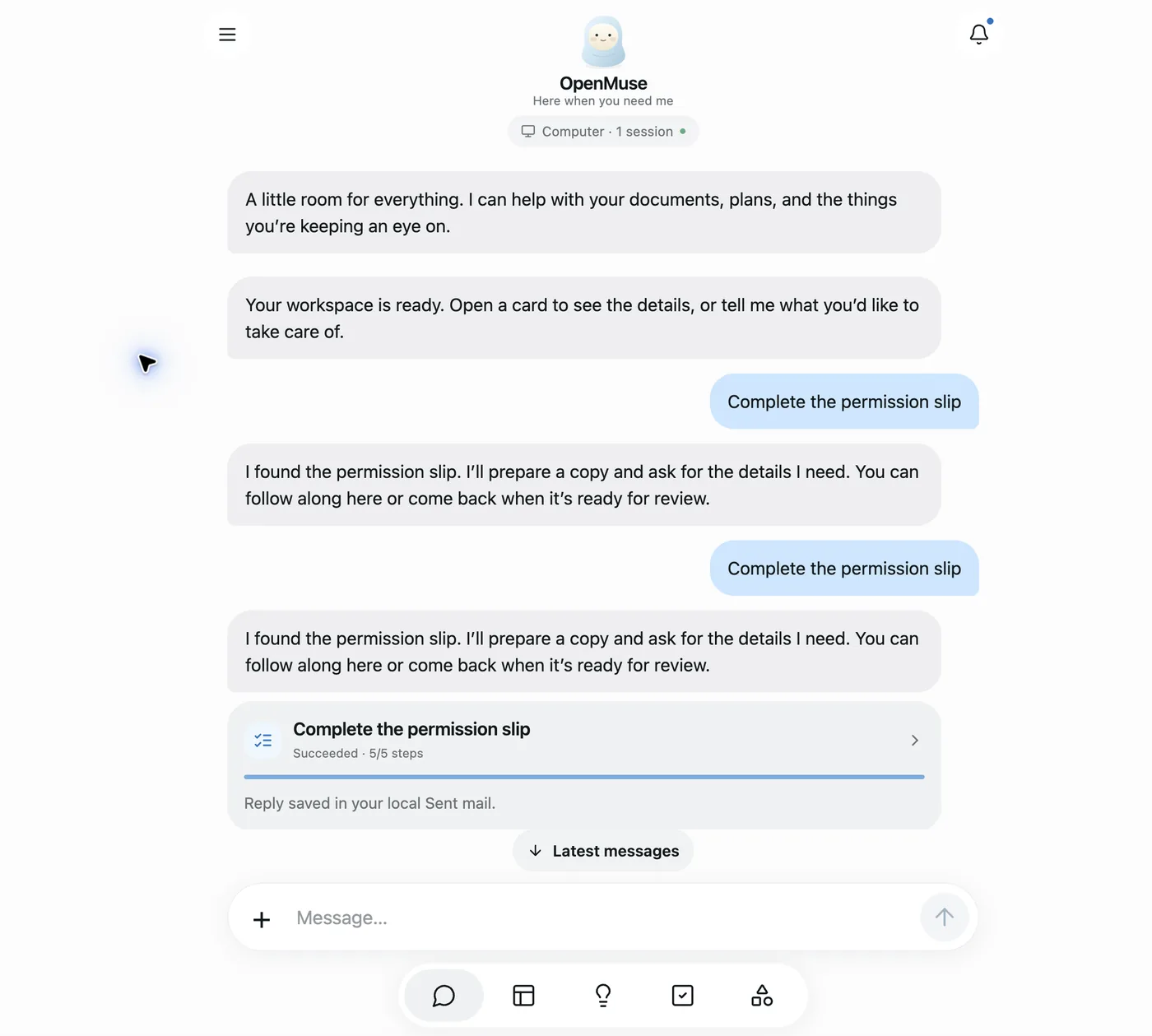
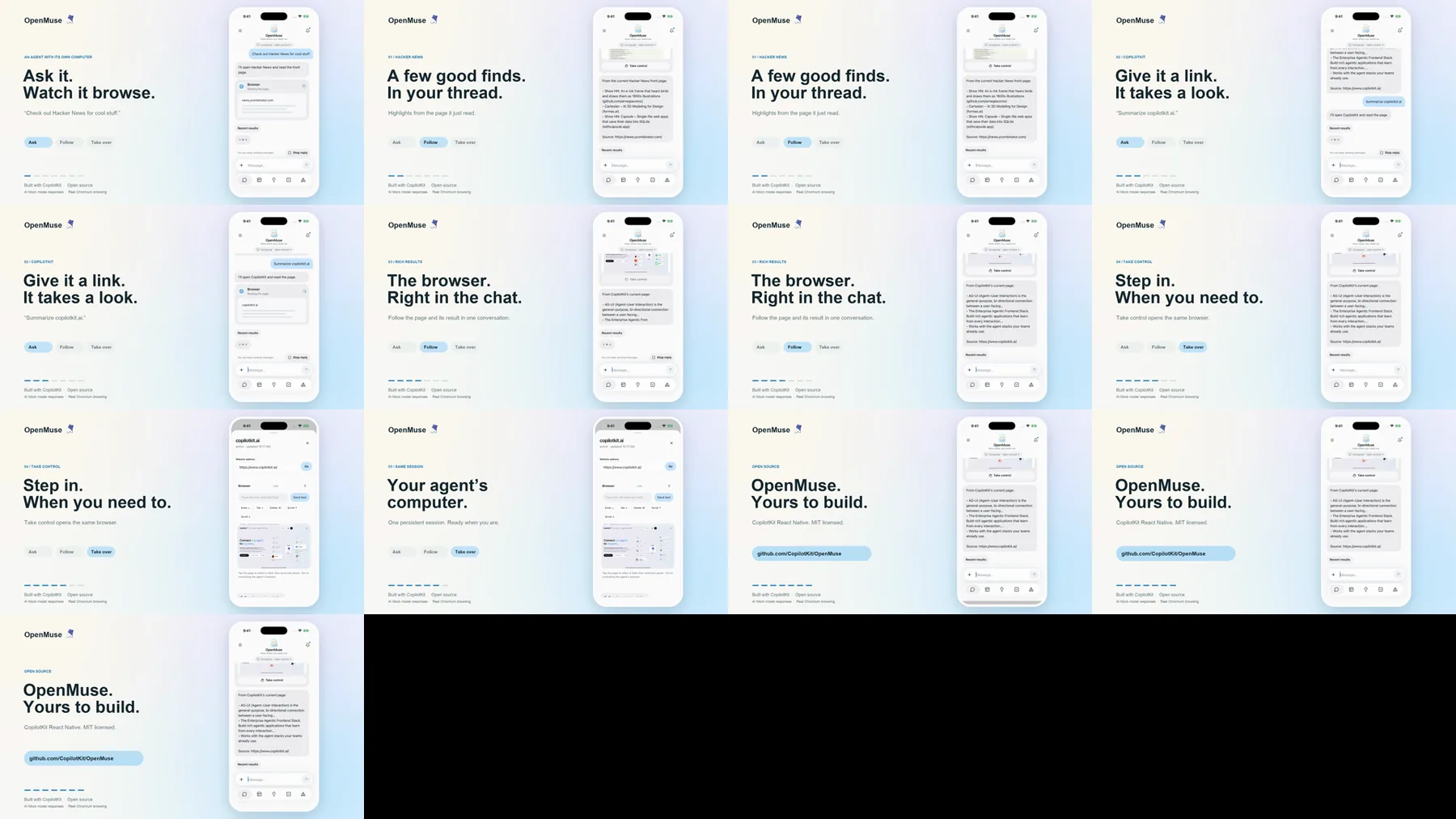
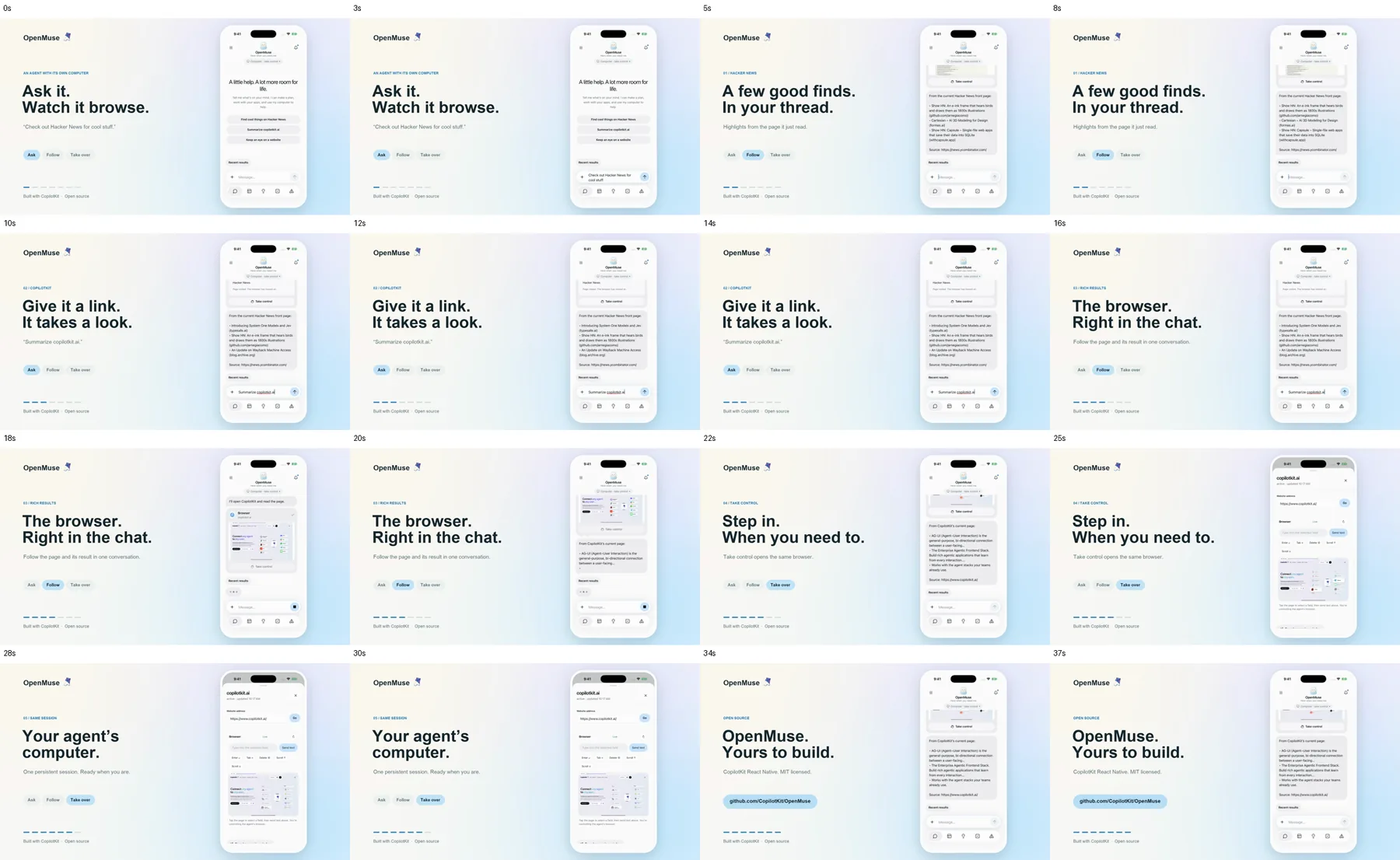
Captures from September 15: the iPhone alpha, the first web screen with an earlier mascot, and the browser card and Stop button checked frame by frame.
Storyboards, revisions, and a capybara.
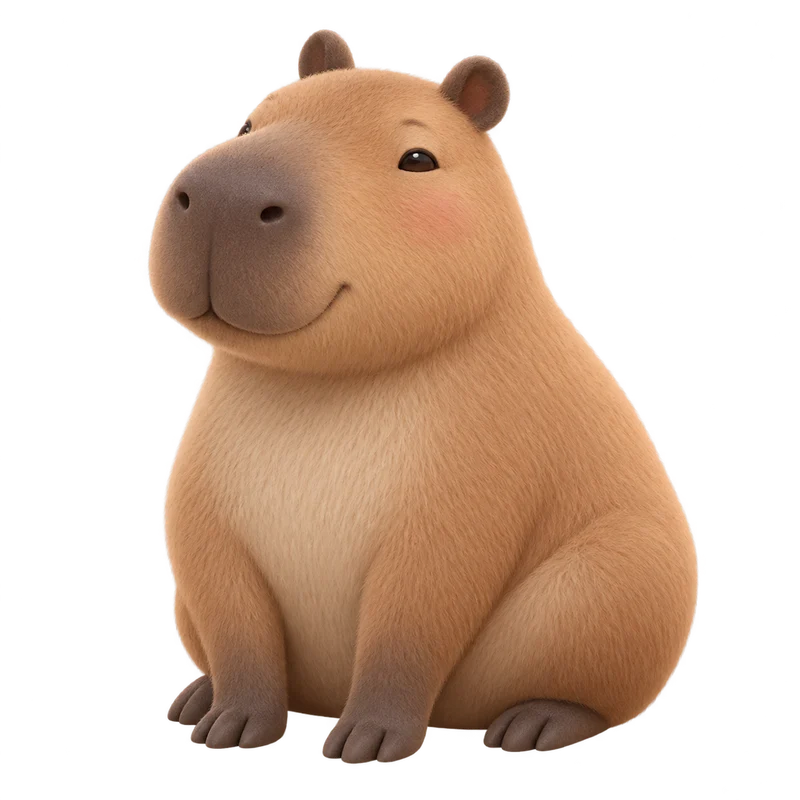
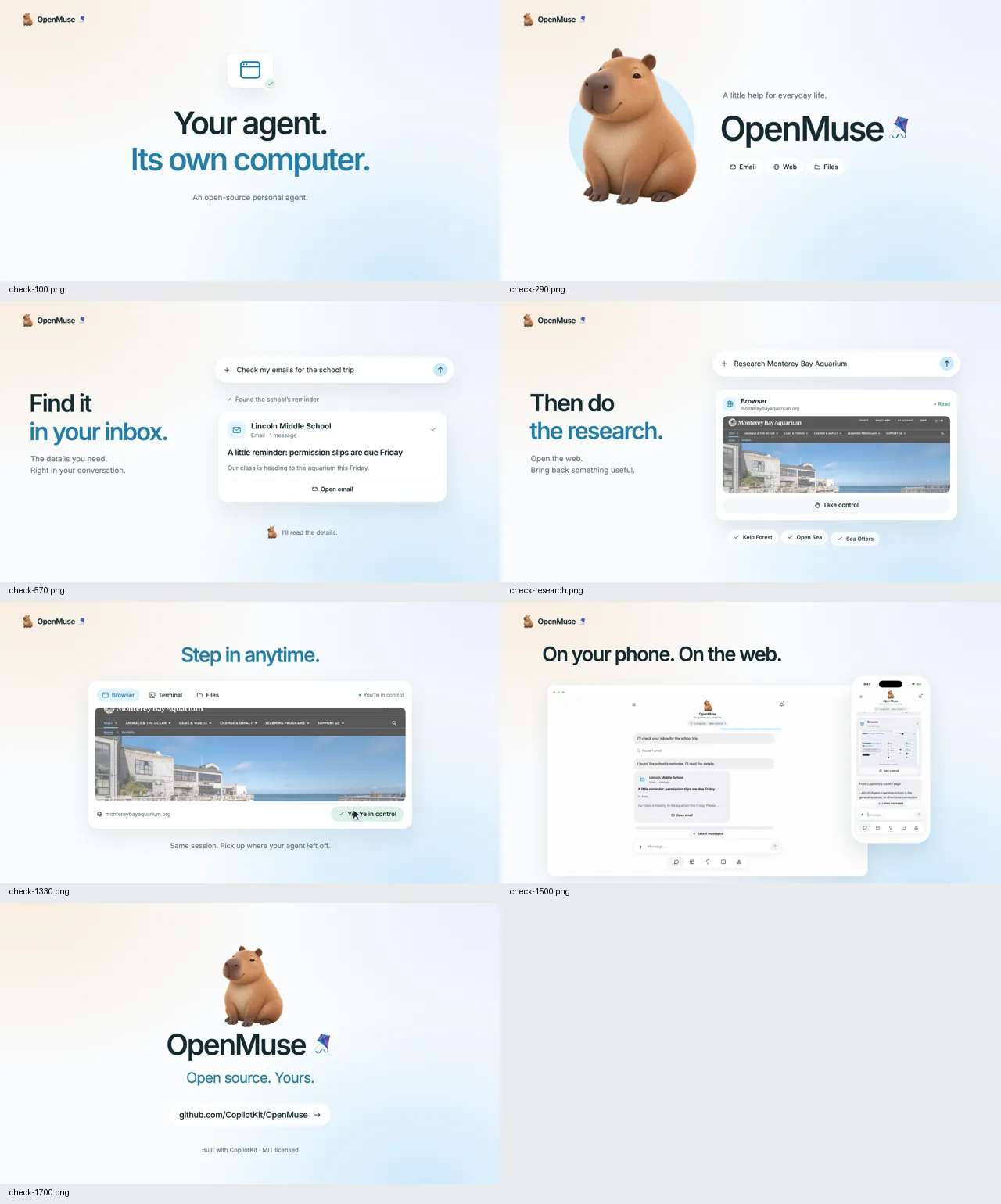
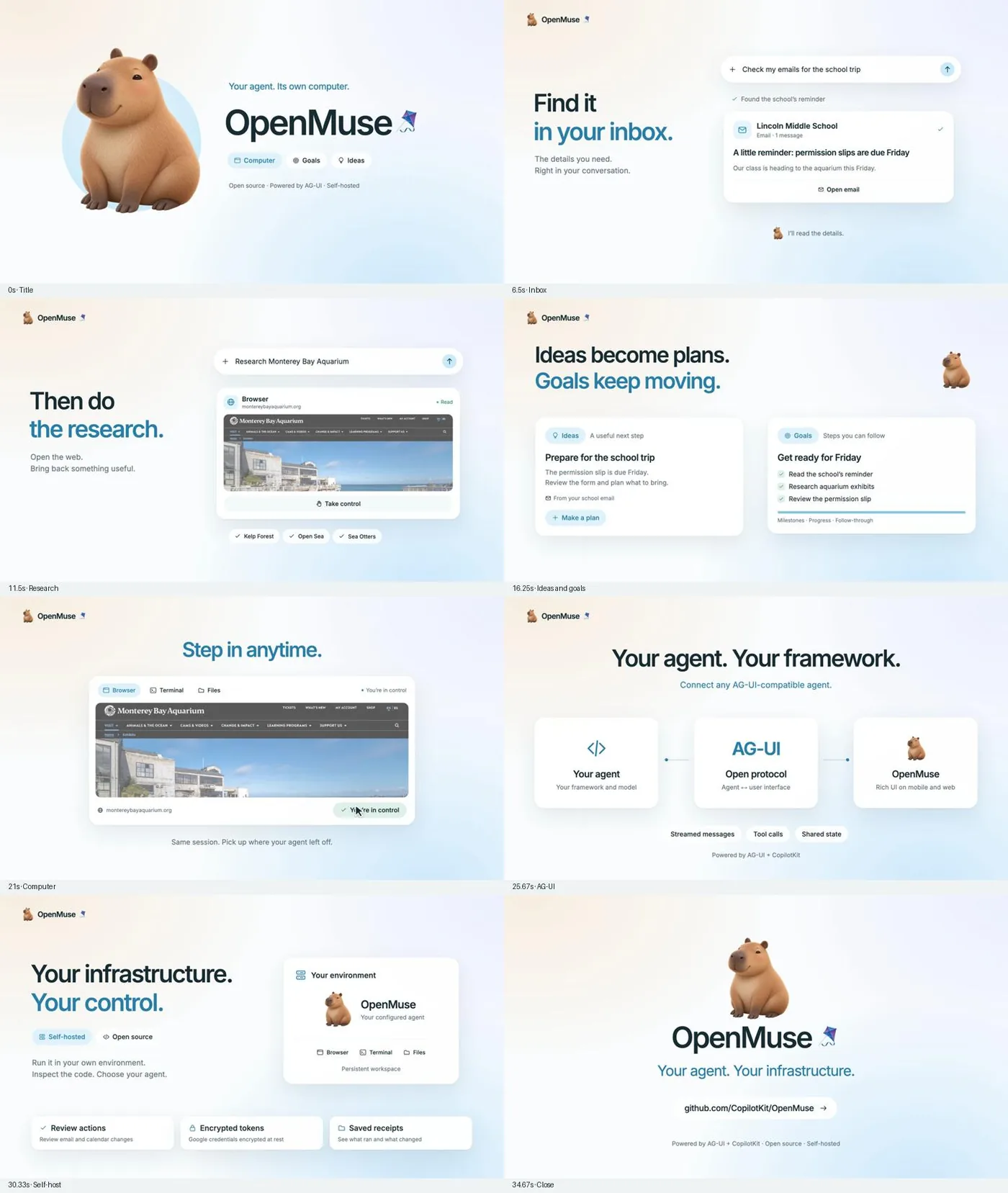
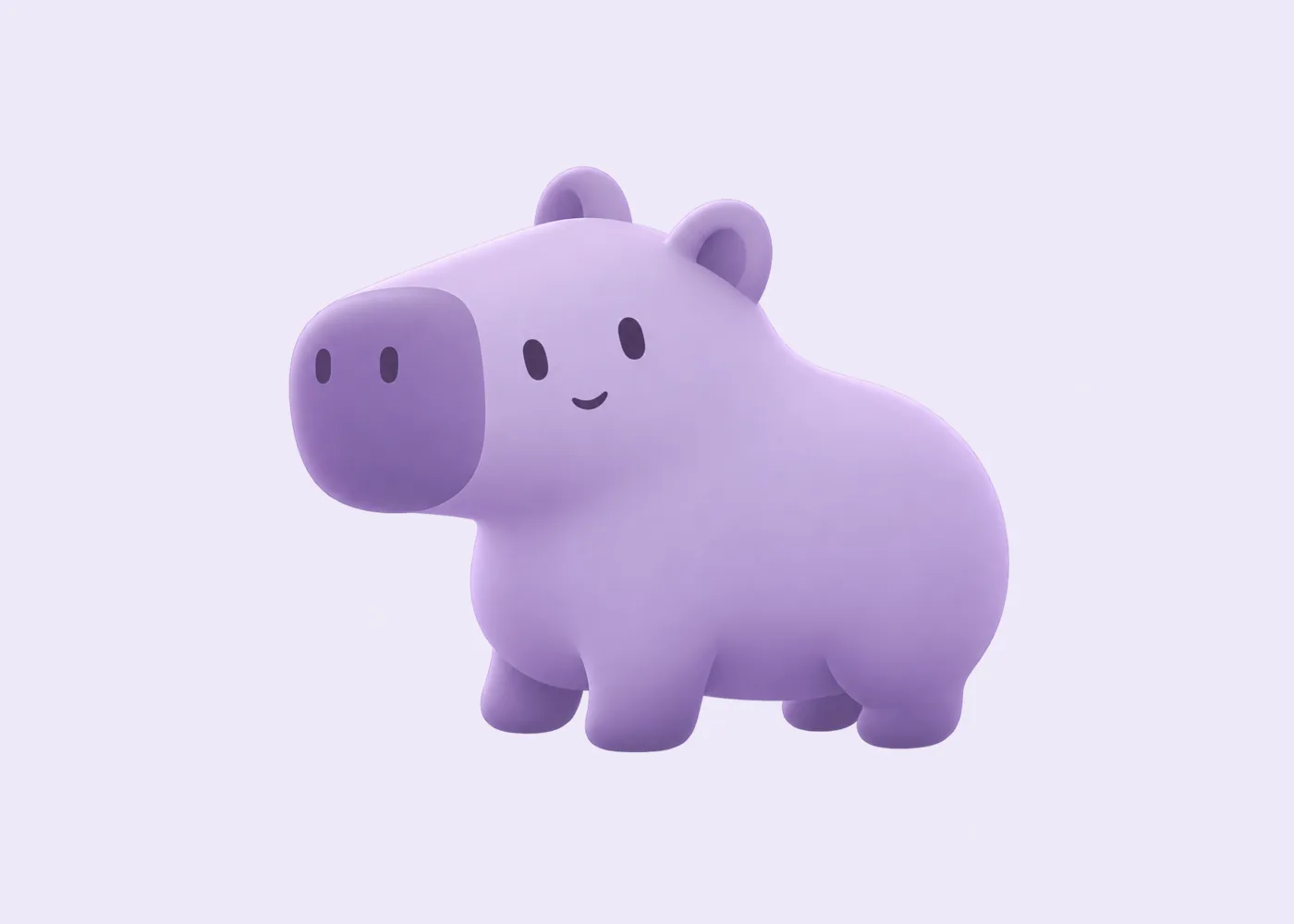
The launch film went through nine revisions on September 16. The capybara came from a single image generation that day; a purple, toy-style variant was tried a week later.
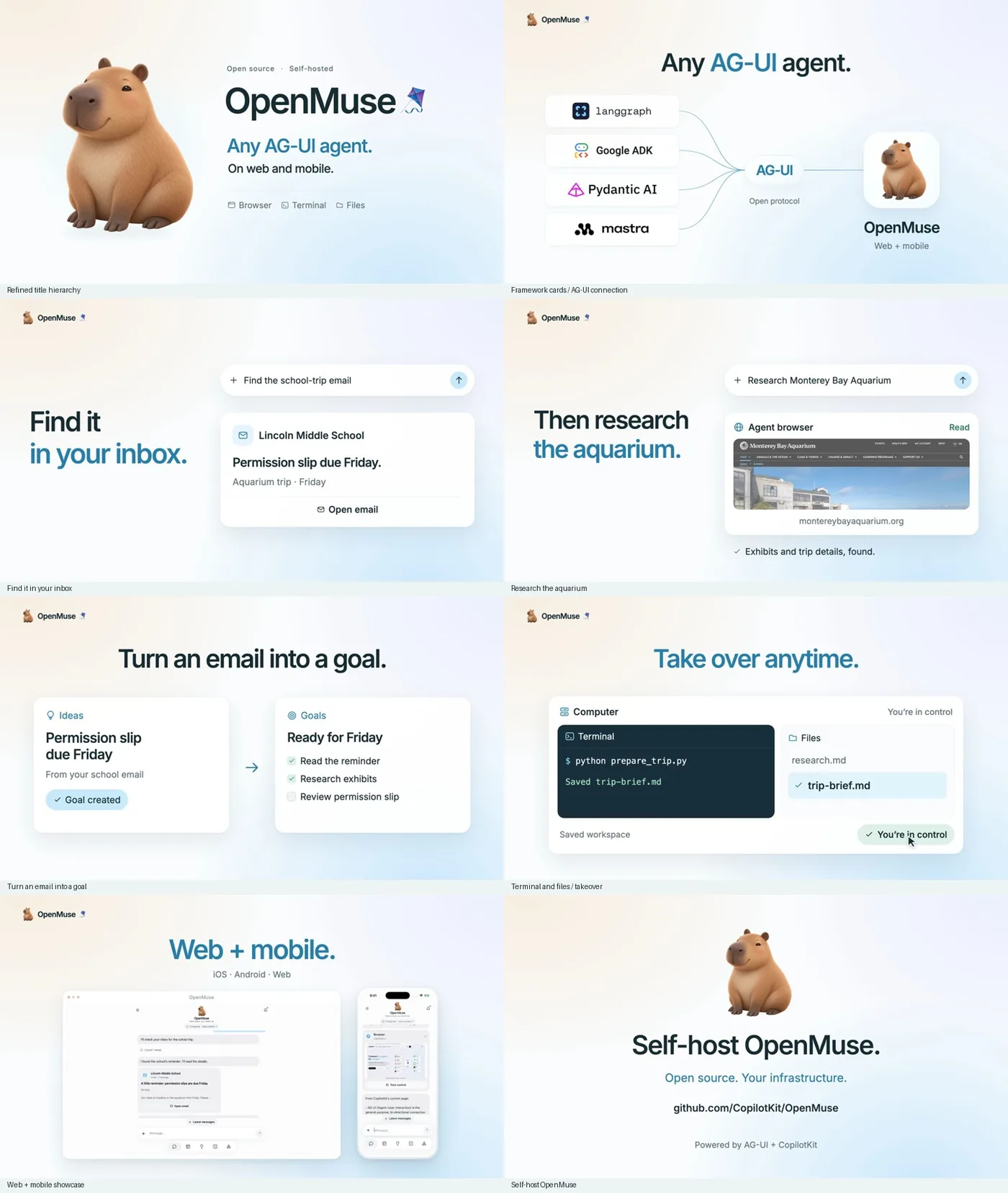
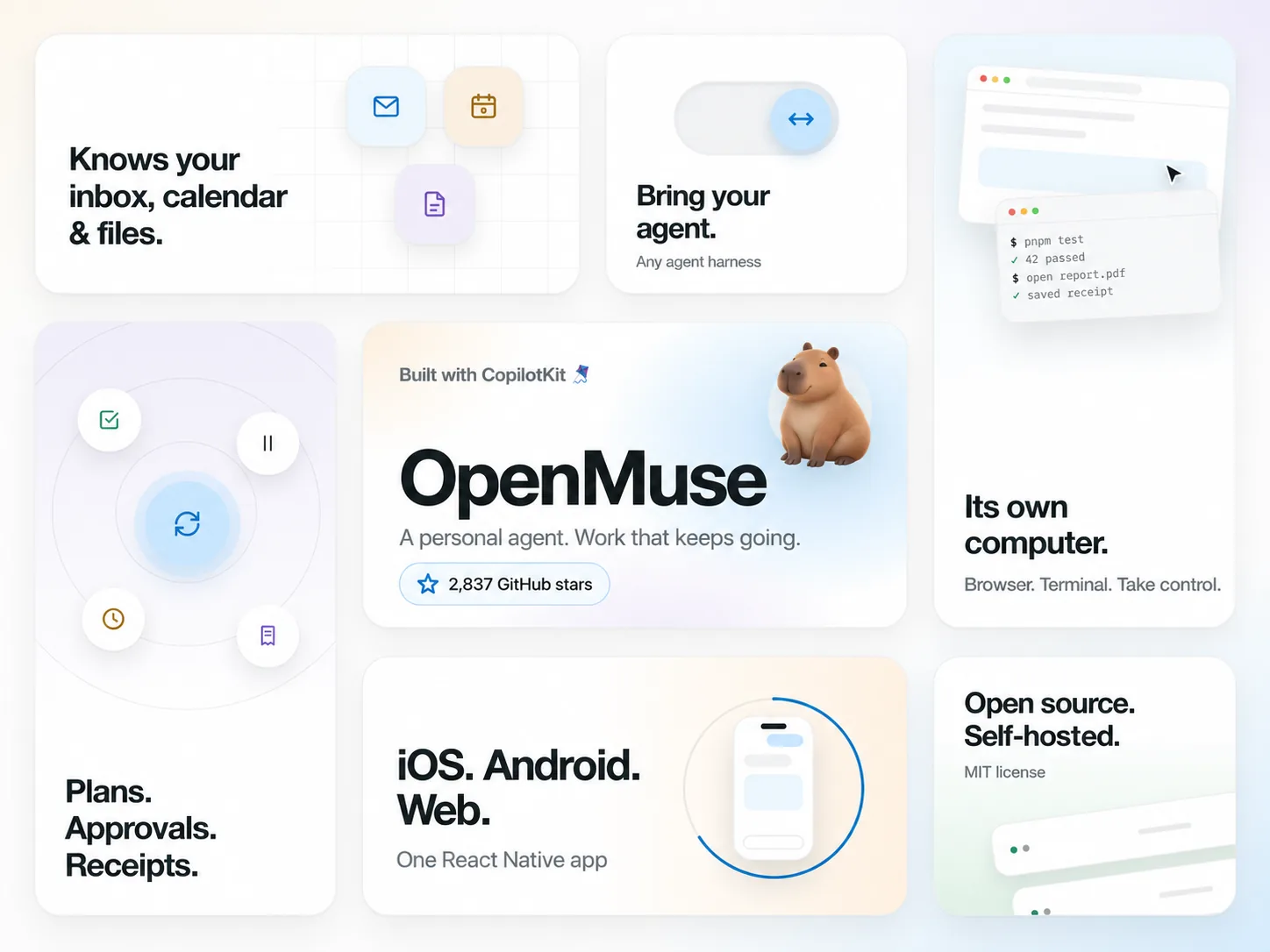
The demos that shipped.
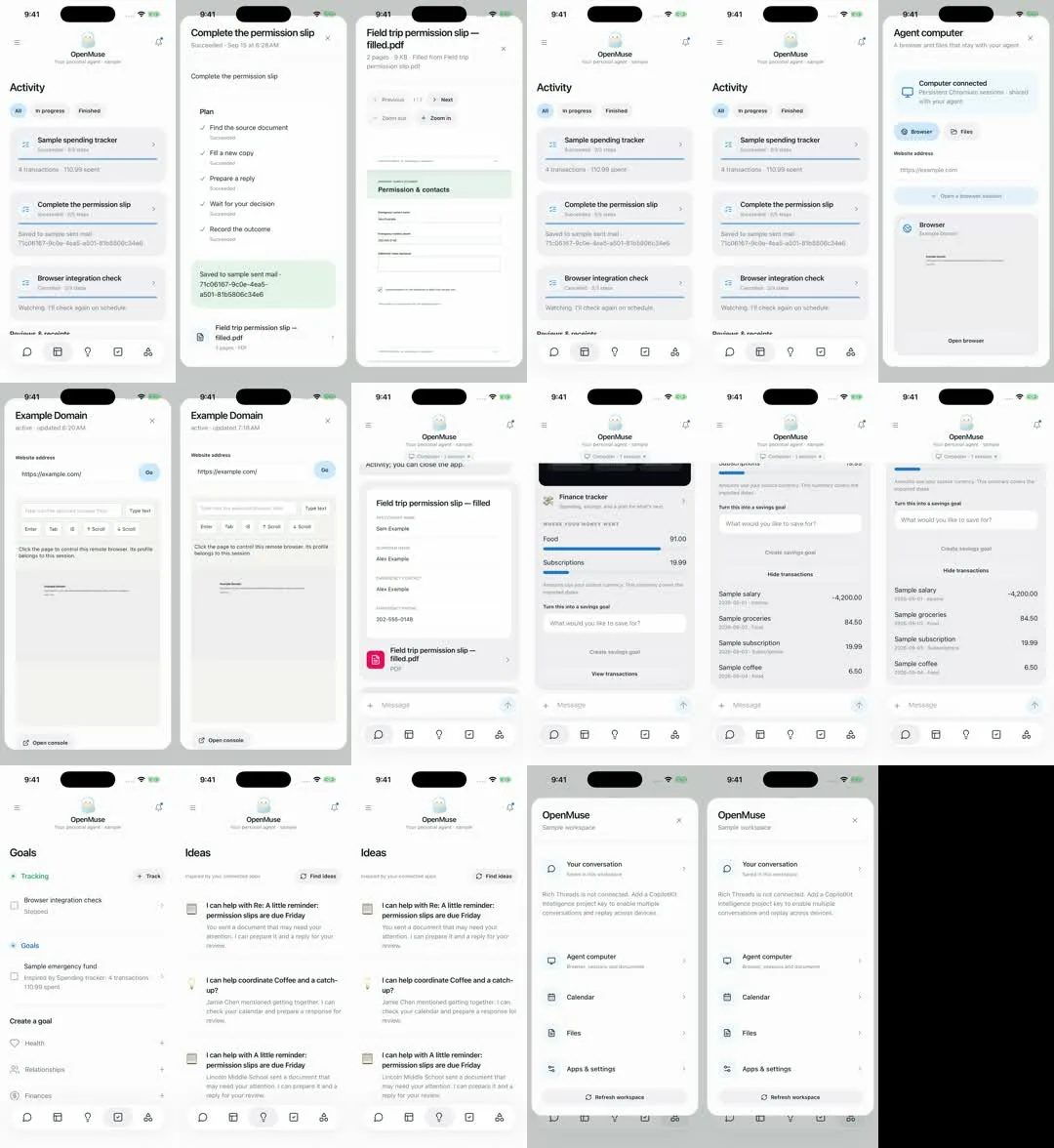
What people saw: the launch page, the README demos, the product demo, and a post from after launch.
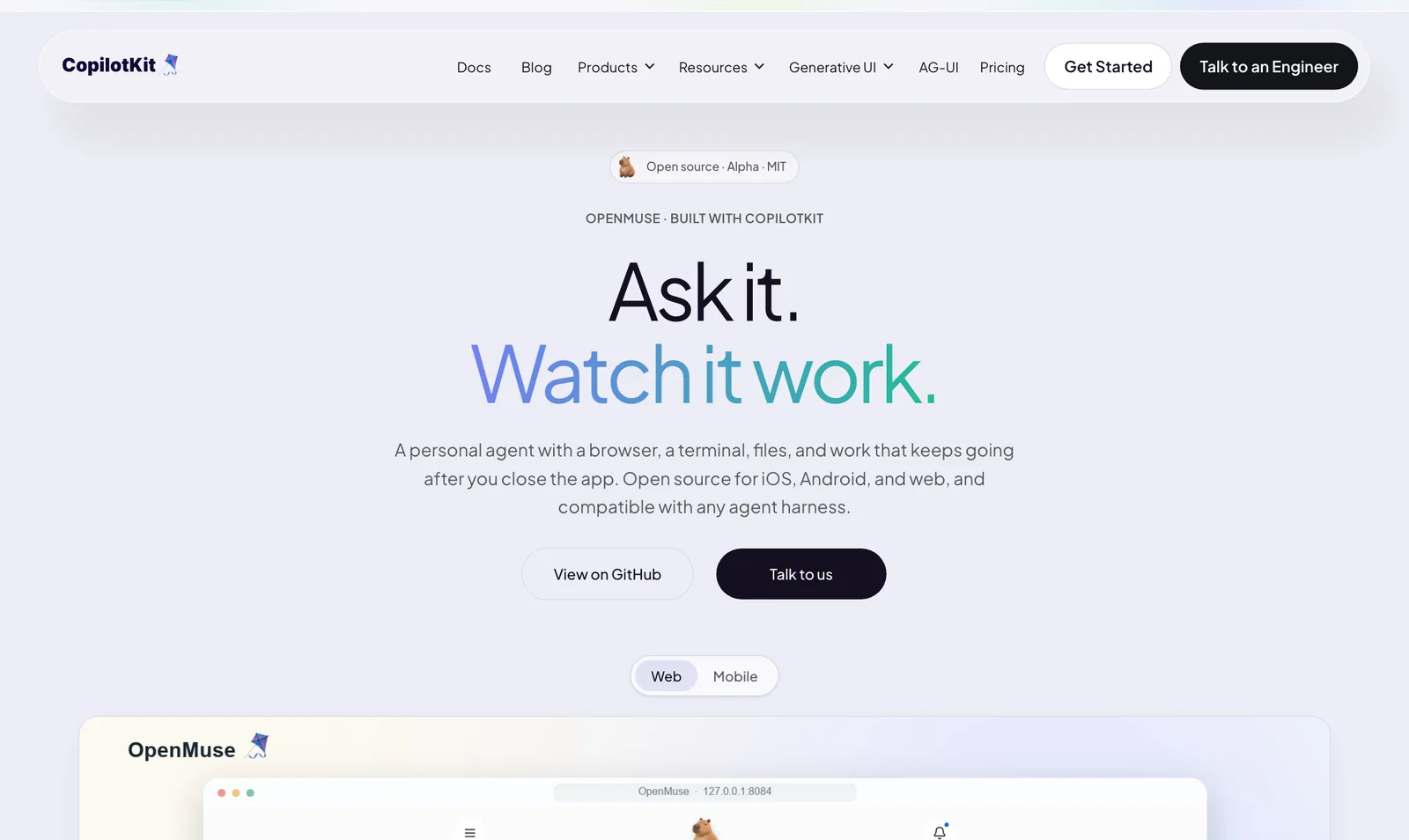
A product with
a personality.
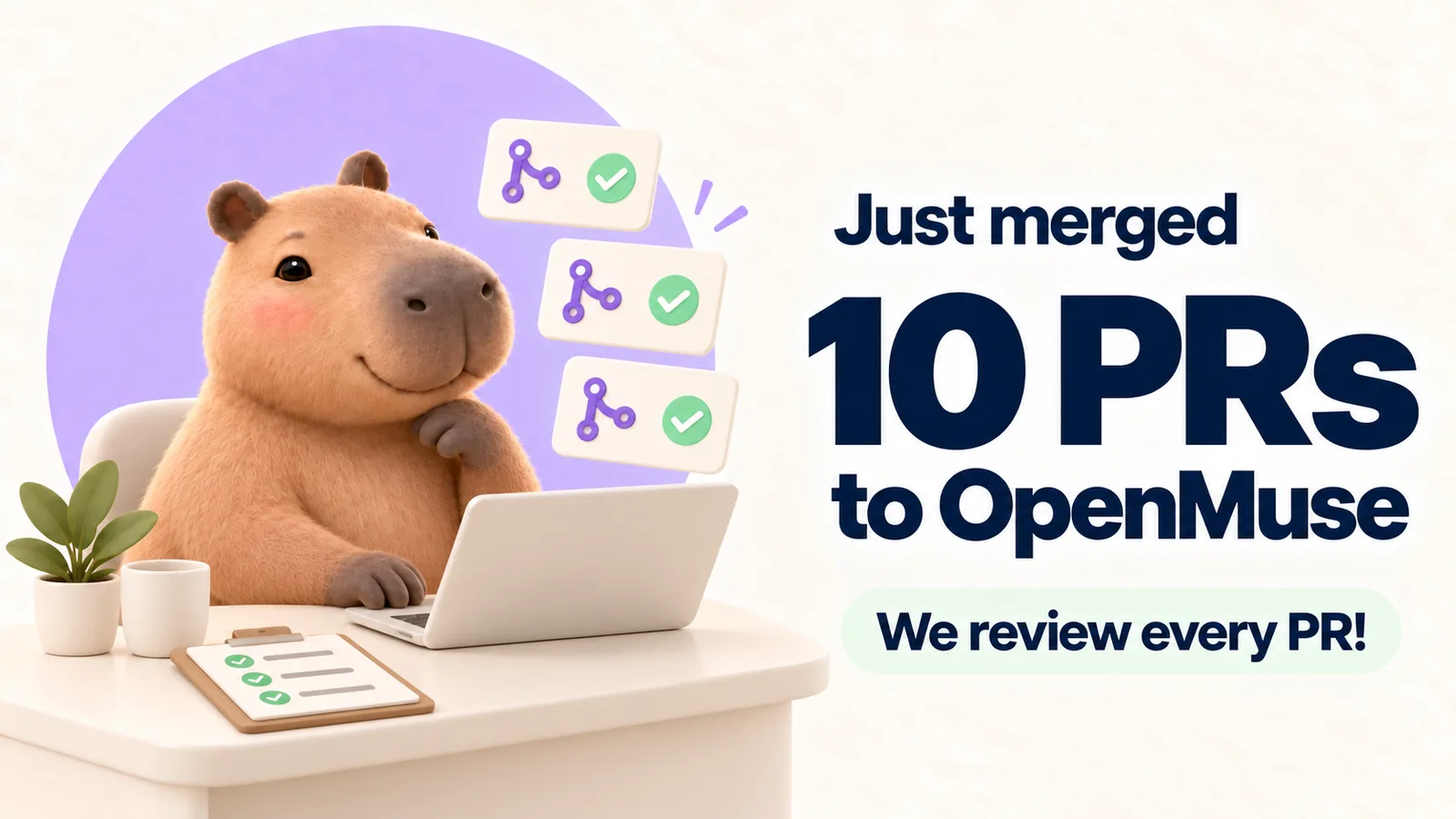
Alongside the engineering, I drafted the mascot and marketing and contributed to video direction. The artwork below appears in the public project.
Launch & reach
Built to be used.
Shared with the world.
The OpenMuse launch reached 1M organic X impressions, 6.3K saves, and 50K LinkedIn impressions. I solo-built the initial release in about a day and made the mascot, the marketing drafts, and the video direction that carried it.
Campaign figures from September 24, 2026, across launch posts and channels.
View the launch announcement on X ↗