OpenDots
A workspace that lasts beyond the chat.
- Context
- CopilotKit
- Contribution
- Solo builder of initial release; computer-tool UI, learning & calls
- Period
- September–October 2026
- Explore
- View on GitHub ↗
A coworker.
A call away.

 Text · Calls · Slack
- authored project PRs merged
- 9
- X launch impressions
- 1M+
- YouTube launch views
- 80K
Implementation and repository snapshot: October 5, 2026. Launch reach from the October 5 launch report.
The project
I solo-built and released the initial version of OpenDots, then shipped the interfaces connecting specialist conversations, documents, computers, and realtime calls. Nine of my project PRs had merged by October 5, alongside a website change that preserved booking-source attribution.
The challenge: give the work a home.
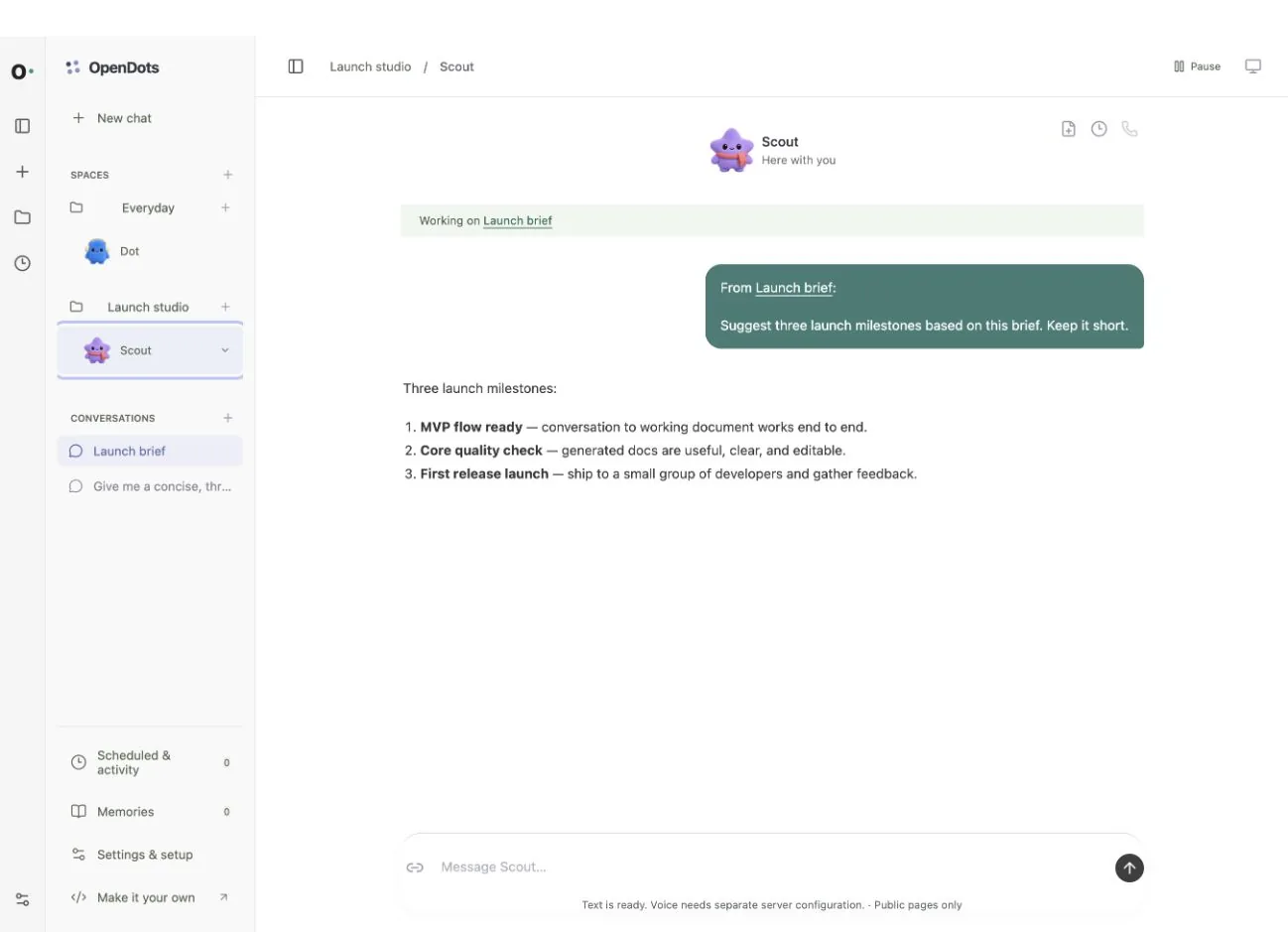
An AI coworker needs somewhere to keep its work. Conversations and documents have different lifecycles: a page needs its own identity, revisions, and permissions even after the chat ends. I organized the initial workspace into Dots for specialist conversations and Spaces for documents.
Persistent pages, explicit access.
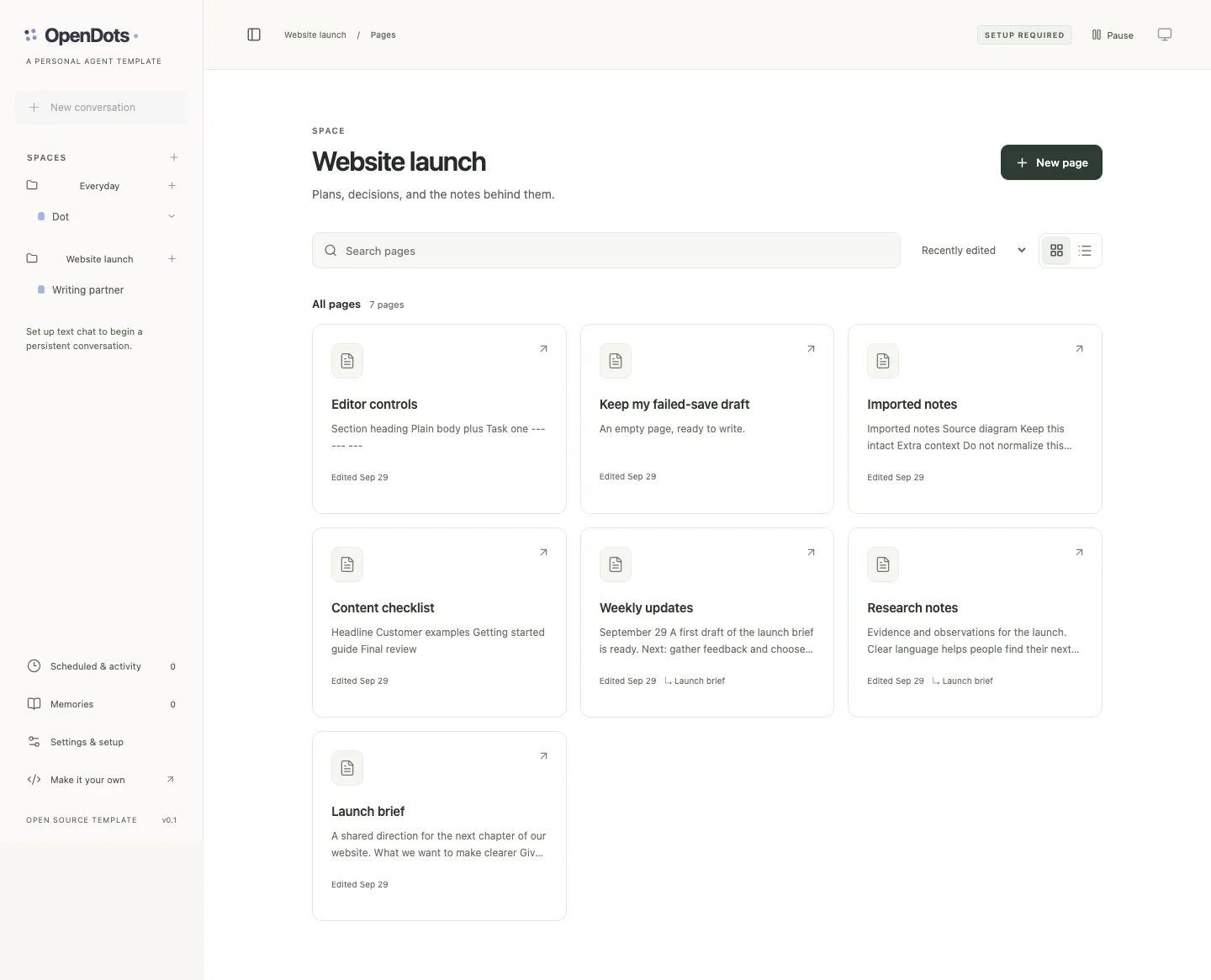
I built searchable Spaces, nested pages, a visual editor, Markdown source mode, autosave, and revision-conflict checks. Each page and Dot reused a canonical conversation thread. Space permissions controlled document access, and permission changes stopped active work. The initial scope was a single-owner template.
See the computer doing the work.
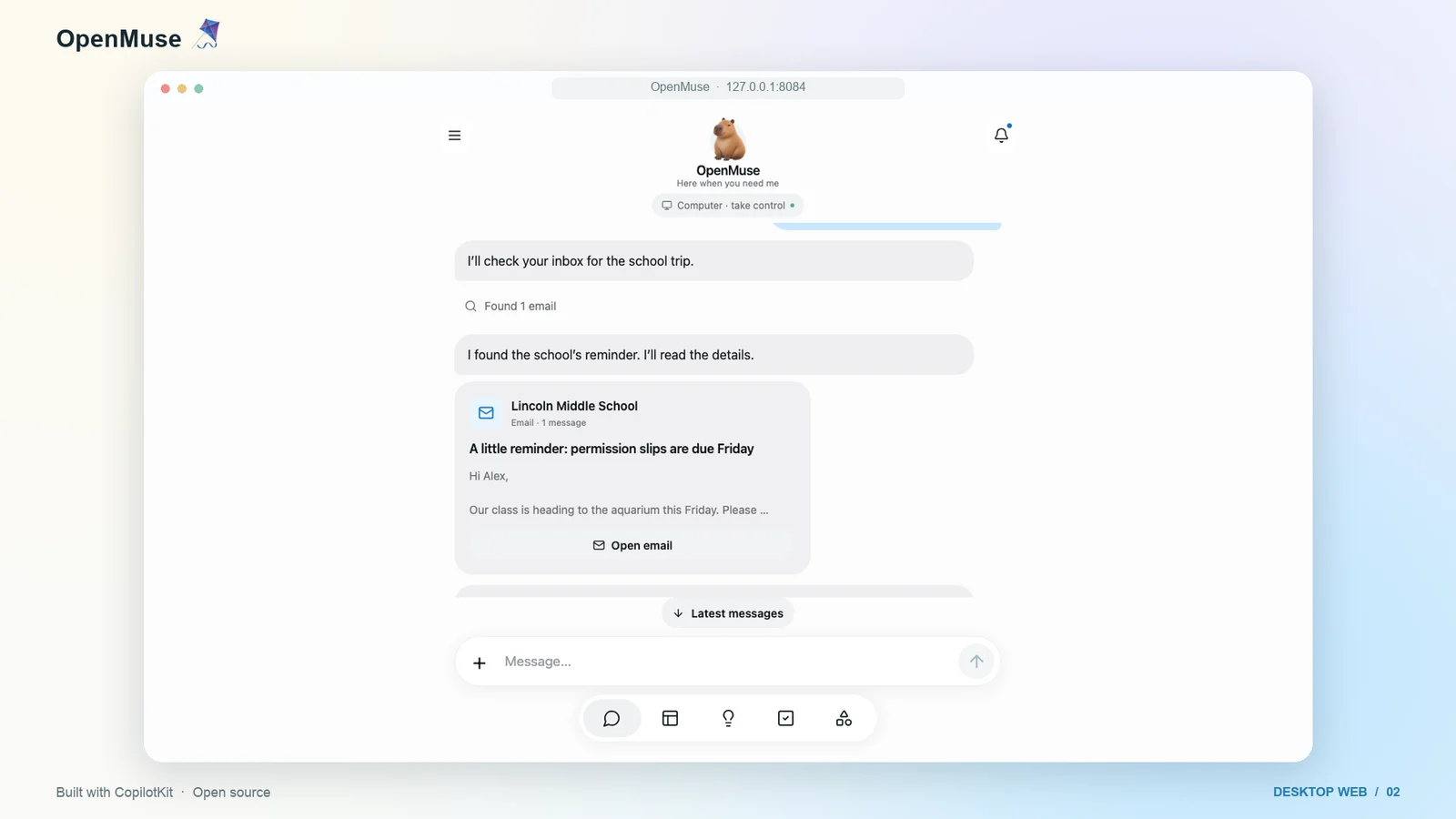
Inline browser previews, file receipts, and terminal output bring tool activity into the conversation. Failed and interrupted results remain distinct from successful ones. The live local demo followed a complete task: browse, save notes, and verify the file in the terminal.
Continue through learning and calls.
I added per-Dot learning contexts, preserving existing conversations’ assignments when settings changed. I also built a realtime call screen with captions, mute, minimize, and hang-up controls. Historical live checks covered audio, call controls, and transcript persistence; they did not demonstrate spoken task delegation.
Connect the launch to the next step.
I produced launch-video assets and fixed the README booking source so it survived into the engineer-booking flow. The launch reached 1M+ X impressions, 80K YouTube views, and 220K daily.dev views. By October 5, the project had 3,577 stars and 473 forks; by November 2 it had passed 6,300 stars.
Behind the scenes
Build, launch, and ship.
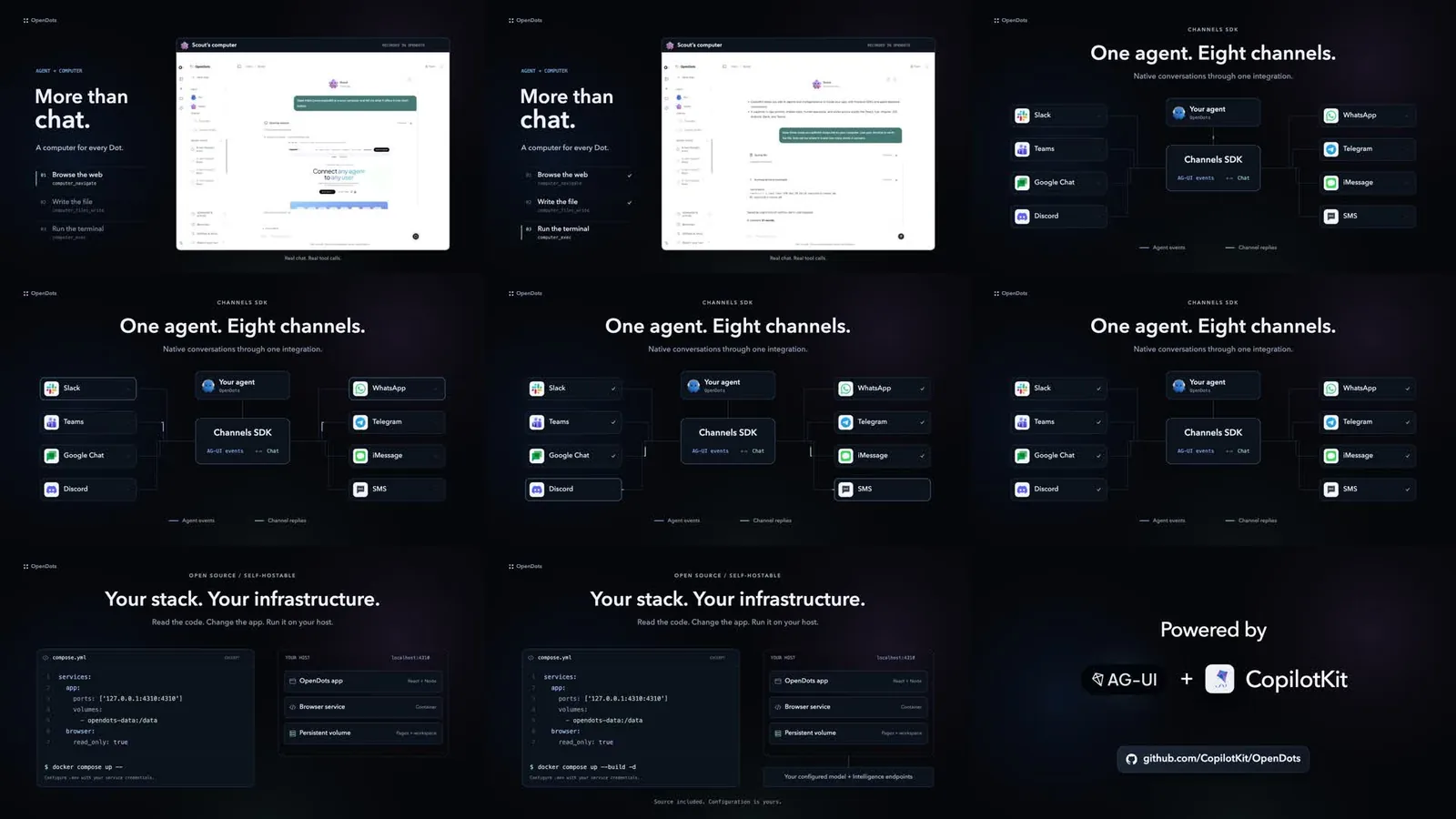
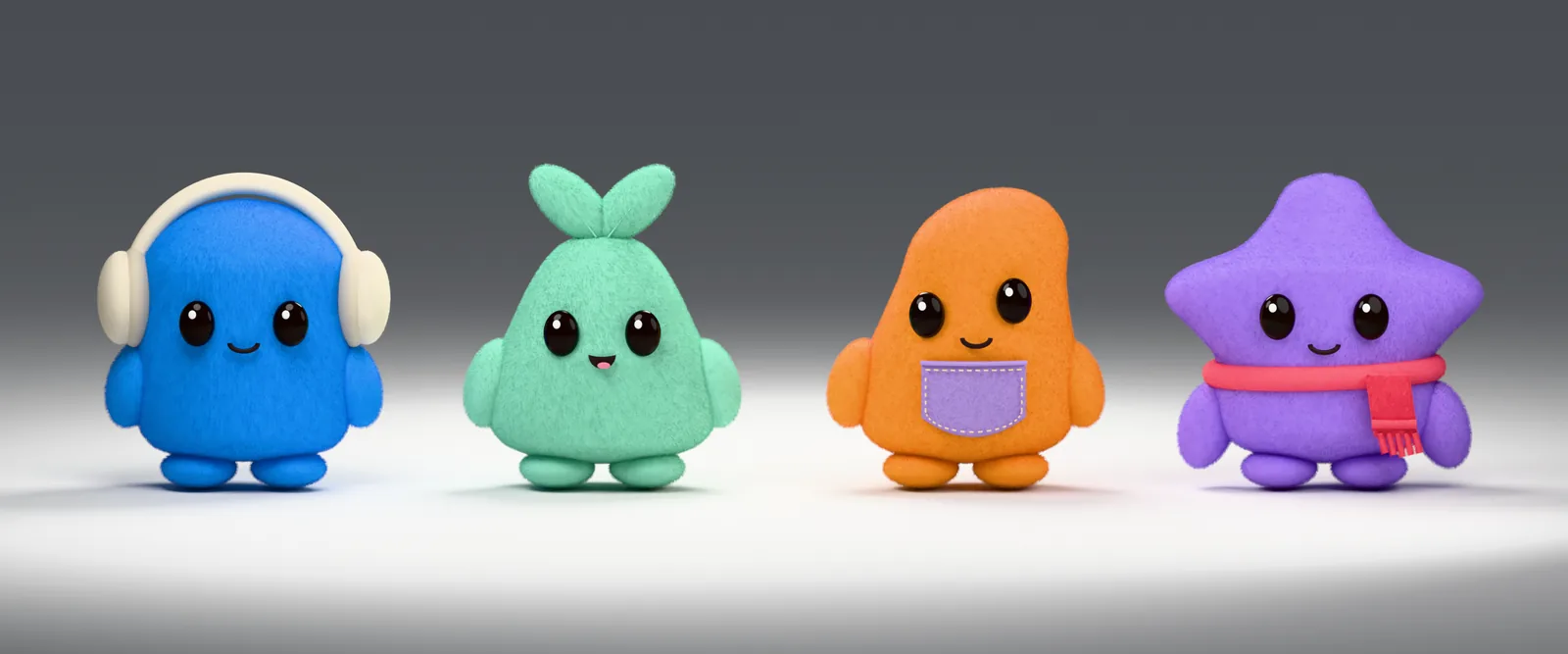
OpenDots went from first commit to launch between September 29 and October 1. These are the working files: the first day hour by hour, the PR recordings, the mascots, and the launch film as it moved from a dark draft to the storyboard cut I handed to the design partner for the final polish.
The first day, hour by hour.
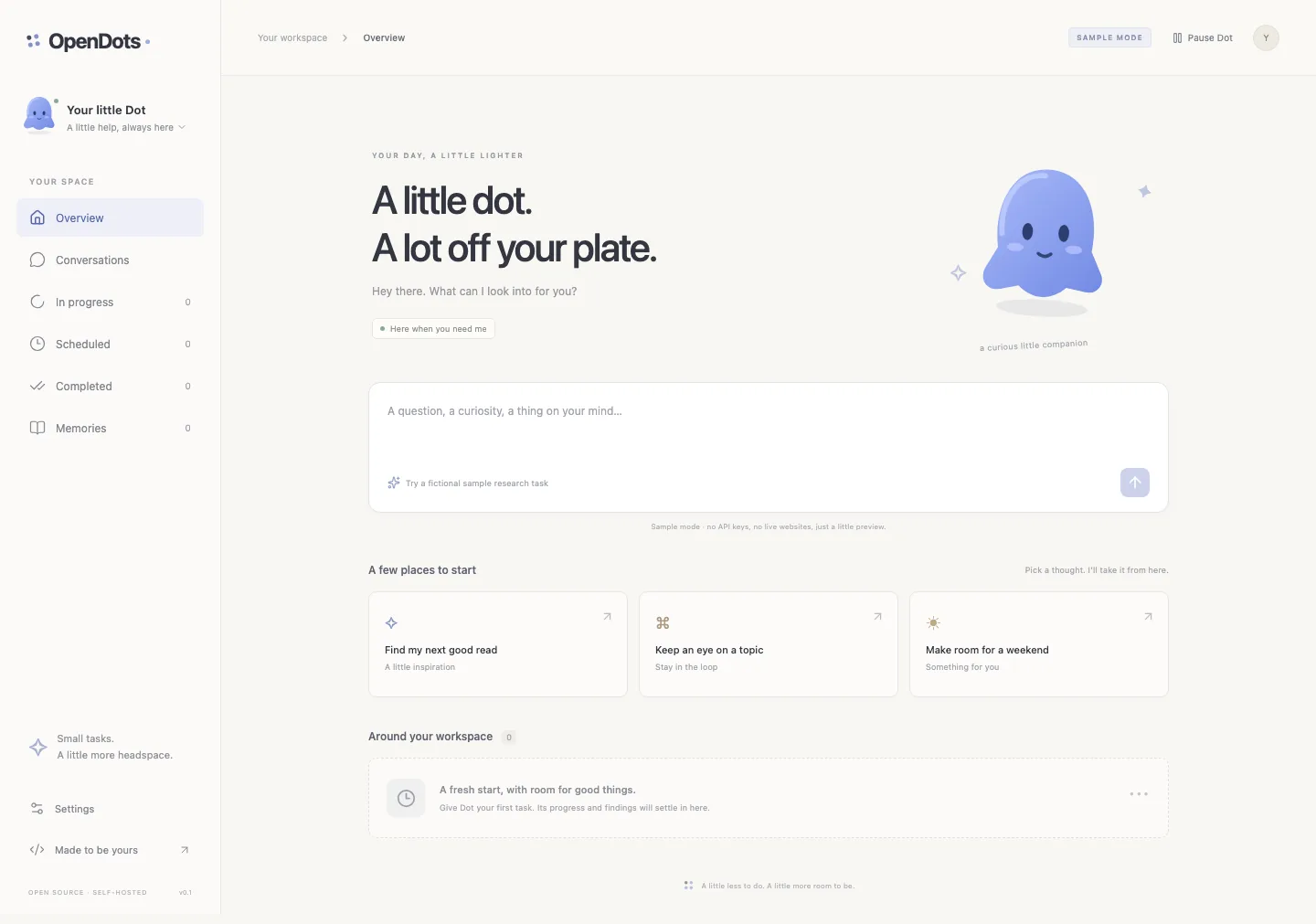
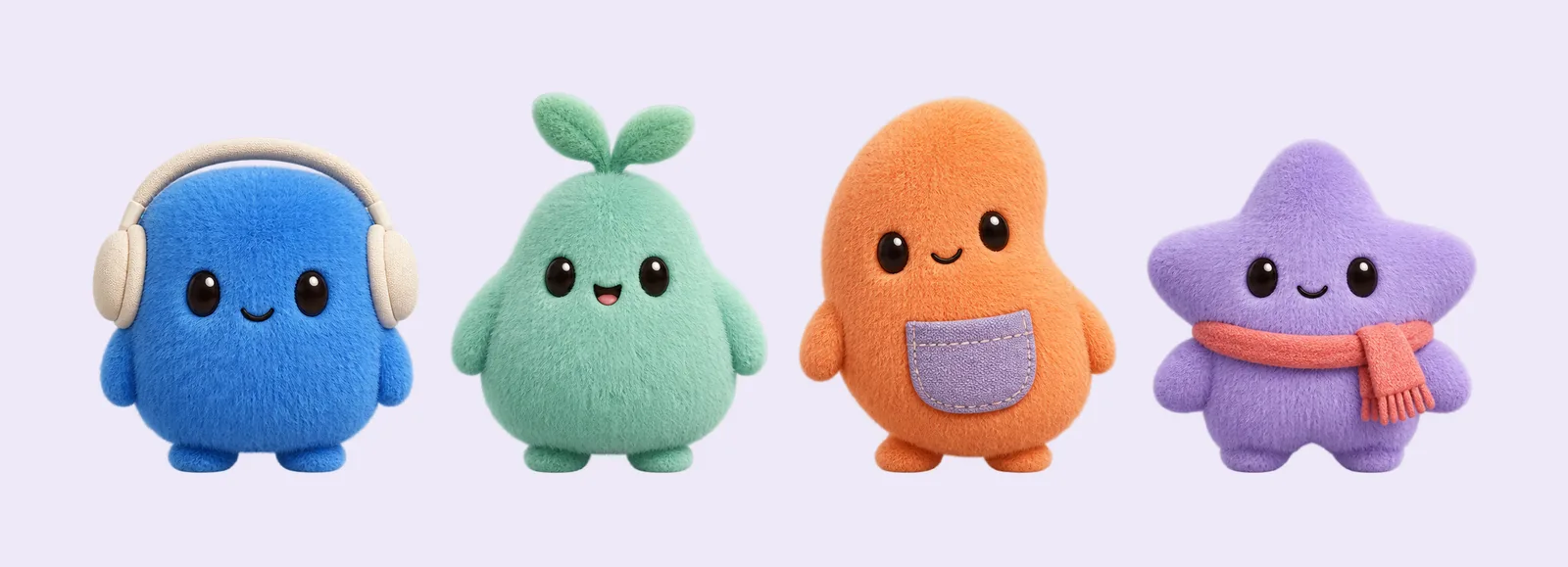
September 29: the first screen at 10:34, Spaces redesigned by noon, the first plush avatar mid-afternoon, and the computer inside the conversation by evening.
From a dark draft to the storyboard cut.
The film started dark on September 29 and became a light storyboard cut on October 1, rebuilt in Remotion from the design team’s storyboard. The design partner polished the public video from these drafts.
Out in the world.
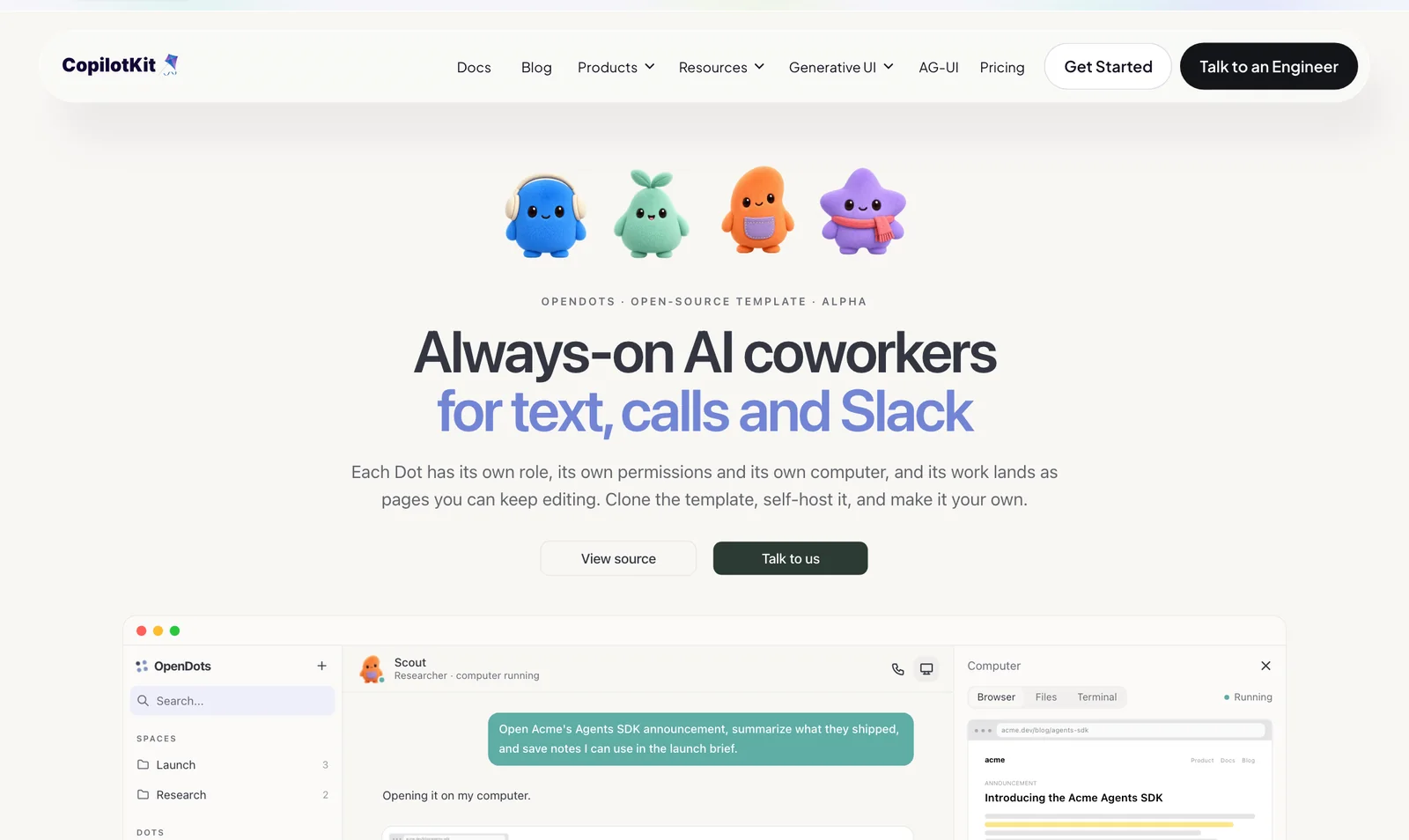
The launch page, a README demo, and a live run recorded the day after launch.
A product with
a personality.
I produced the launch-video drafts and assets. The artwork below shows the identity used in the public project.
Launch & reach
Built to be used.
Shared with the world.
The OpenDots launch announcement passed 1M views. I solo-built and released the initial version, then shipped agent interactions and call controls and produced launch-video assets.
The October 1 announcement showed over 1M views when checked on October 5, 2026.
View the launch announcement on X ↗